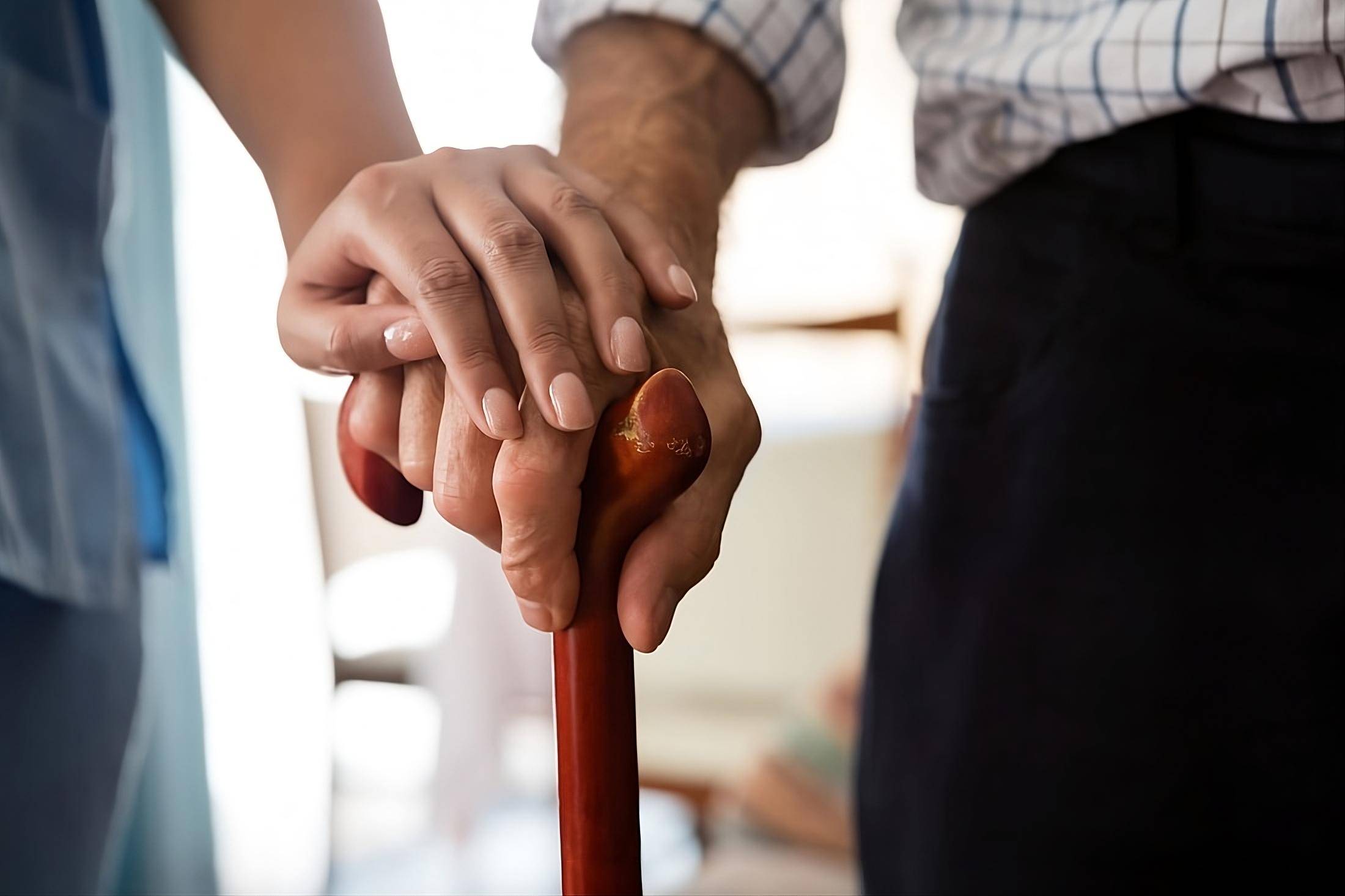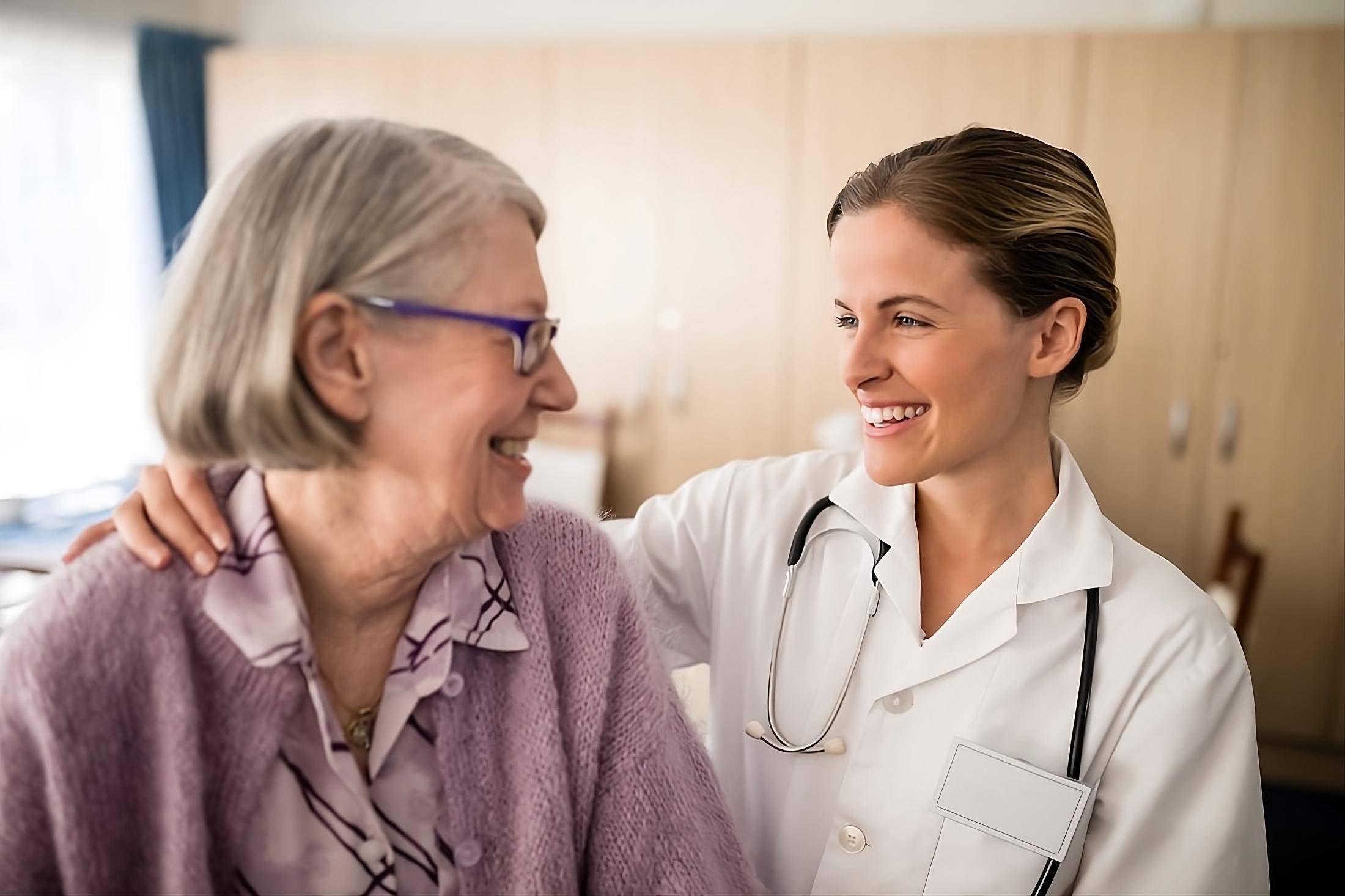

Growing older is not a reason for slowing down — it is a reason for finding new ways to be strong, flexible, and independent. In modern assisted living facilities, fitness has no longer meant dwelling on daily walks or merely stretching the muscles a little. It has instead transformed into a complete wellness experience where residents are constantly encouraged to be active in all these aspects of life: physically, mentally, and socially.
In an assisted living scenario, exercise programs are set according to one’s ability and slowly directed toward reasonable goals, i.e. quality of mobility, equilibrium, and overall vitality. It does not matter whether one participates in light yoga, water therapy, or group dancing; these programs give the older generation a sense of life full of vigor and assuredness.
Let’s see the scenario that the assisted living communities are converting fitness into freedom – proving that it is never too late to make a move, to grow, and to feel strong once again.
1. Engaging Fitness Programs for Every Experience Level:
The exercise programs that are offered to older people living in Assisted Living will be tailored to the residents’ fitness levels, mobility levels, and health conditions. No program will be the same, just as no two older people are the same.
The exercise choices consist of:
- Chair Yoga: Very beneficial for making flexible and meditative while being soft on joints.
- Low-Impact Aerobics: Good for heart health and stamina in general.
- Strength Training: impacting the maintenance of muscle tone using light weights or light resistance bands.
- Balance Exercises: Co-ordination work and balance work to decrease falls.
- Stretching and Mobility classes: Work to support joint health and relieve pain through motion.
All exercise sessions offered have a trained fitness instructor or physical therapist overseeing the safety and alignment aspects of positioning.
2. Specialized Rehabilitation and Therapy Programs:
Usually, in assisted living facilities, physical and occupational therapy are offered regularly to those residents who are recovering from surgery, injury, or any medical condition as a part of their exercise program.
Targeted areas of treatment include:
- Improving movement after surgery or stroke.
- Building muscle for safe walking and good posture.
- Pain relief by means of movement therapy with a specific focus on the painful area.
- Adjustable workouts for individuals suffering from arthritis or long-lasting pain.
Therapeutic activities along with physical routines do make the residents believe in their abilities and to be independent again in doing day-to-day chores.
3. Outdoor Activities – Fresh Air and Freedom:
The gym is not the sole location for workouts. Many offer outdoor fitness facilities to get people moving naturally and to let them have sun exposure.
Some examples are:
- Daytime walking clubs on manicured trails.
- Mentally stimulating and physically active gardening.
- Practicing Tai Chi or meditation in the balsam-gazebo shades.
- Outdoor games, like bocce ball or mini golf, are played.
A winning mixture of fresh air, sunshine, and mild physical activity not only boosts the physical condition but also elevates the mood — a reason why nature can be regarded as the perfect gym for seniors.
4. Diet and Physical Activity: A Strong Alliance:
Often, assisted living facilities synchronize meal plans with exercise programs so that residents receive the necessary fuel to keep on moving.
- Meals full of protein for the support of muscle rebuilding.
- Water drinking plans to avert tiredness and lightheadedness.
- Well-balanced nutrients for the health of joints and bones.
This all-encompassing wellness strategy guarantees that every single resident gains from a complete-circle scheme — one that backs up movement, energy, and life expectancy.
Conclusion:
Living Strong, Living Fully:
Assisted living helps in honoring the various ways our bodies can move. Any form of movement, from morning stretches to dancing with friends to walking in the garden, adds strength, liberty, and joy to one’s life.
Assisted living communities do a nice job of allowing the elderly to be active, empowered, and socially involved through enhanced, safe, and entertaining fitness classes. Consequently, age becomes less of a determining factor and becomes an exciting invitation to live a life of energy and purpose.
This is because when our bodies move, our spirit ignites, and that is really what assisted living is all about.