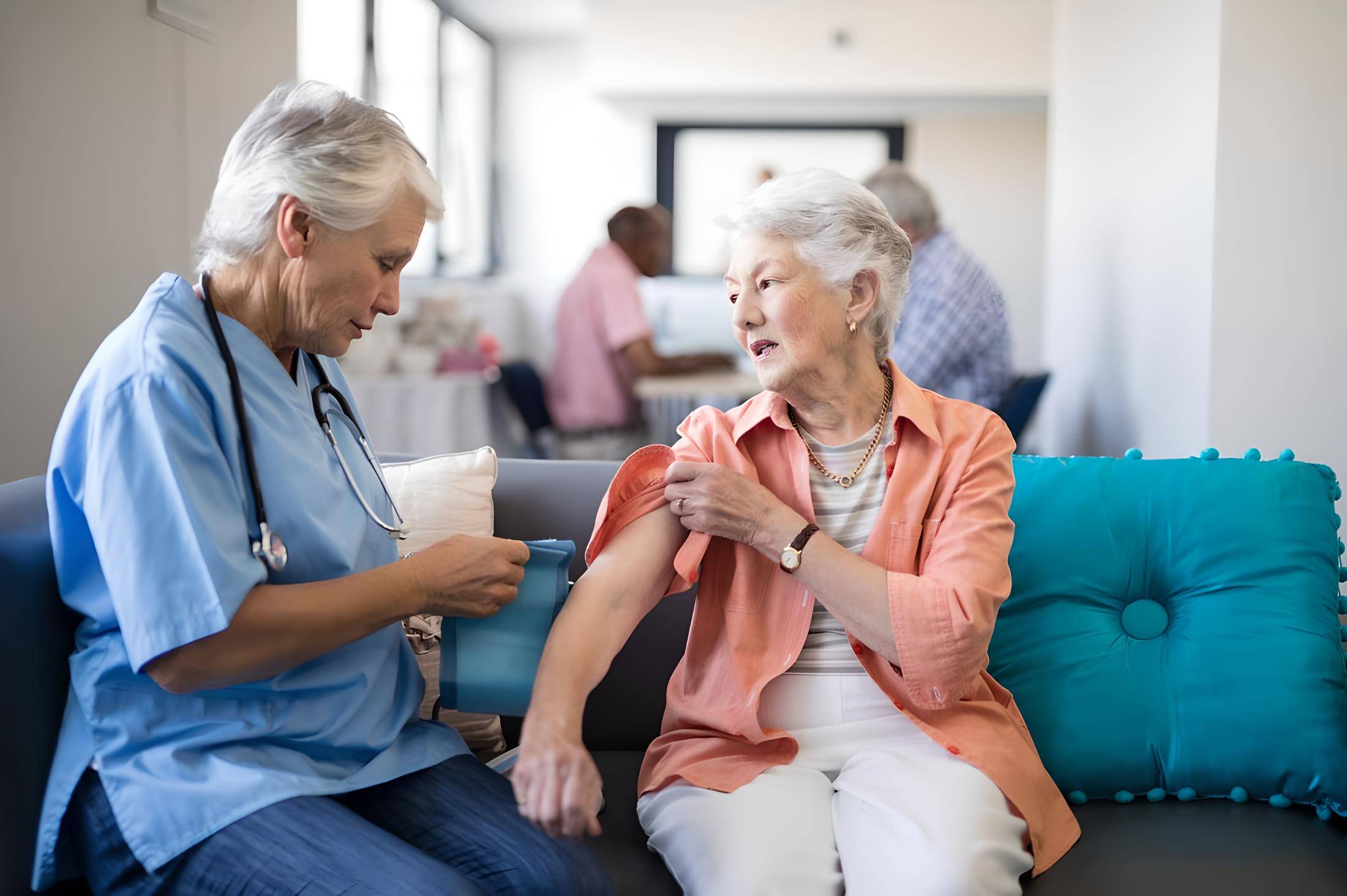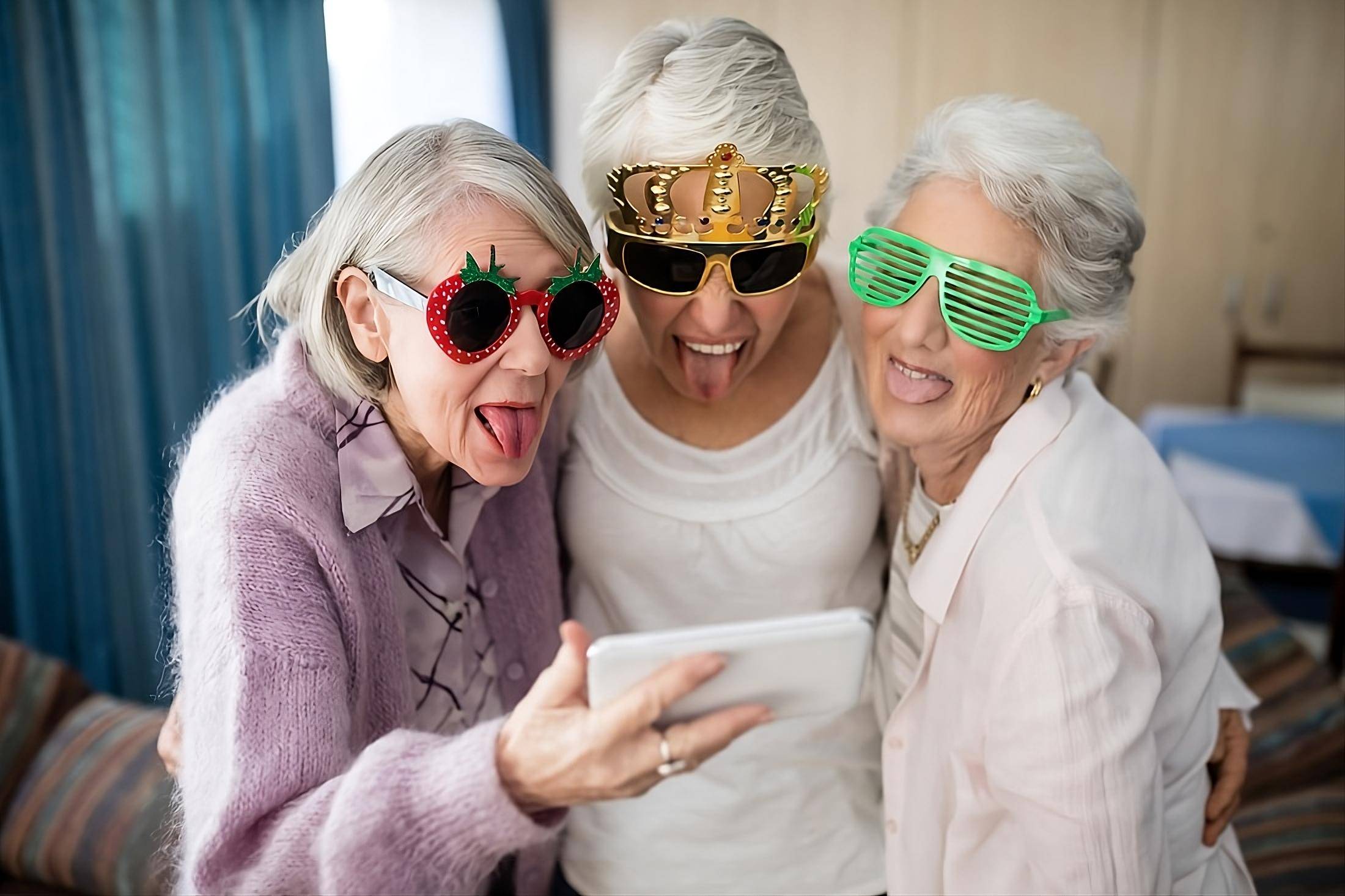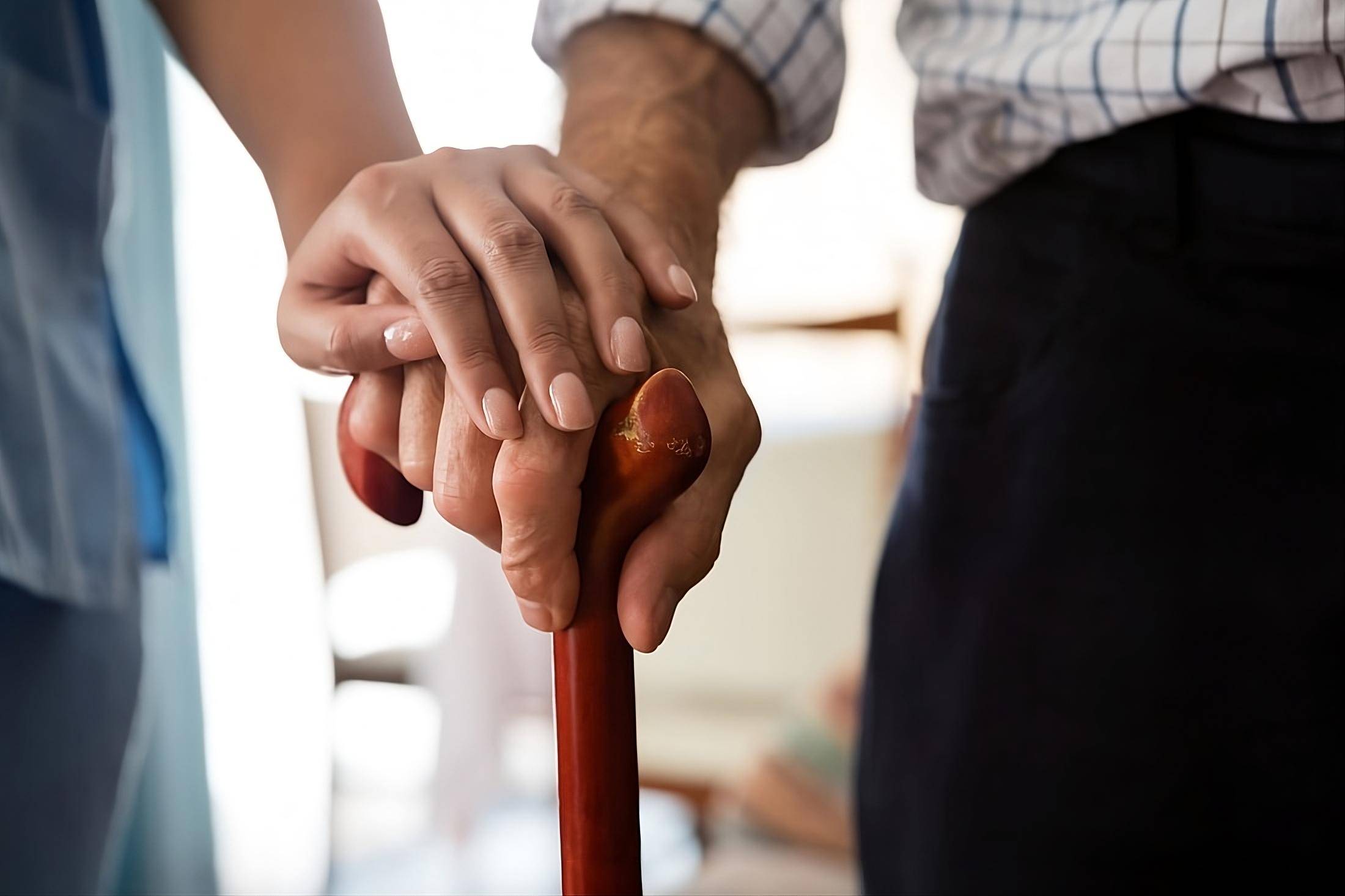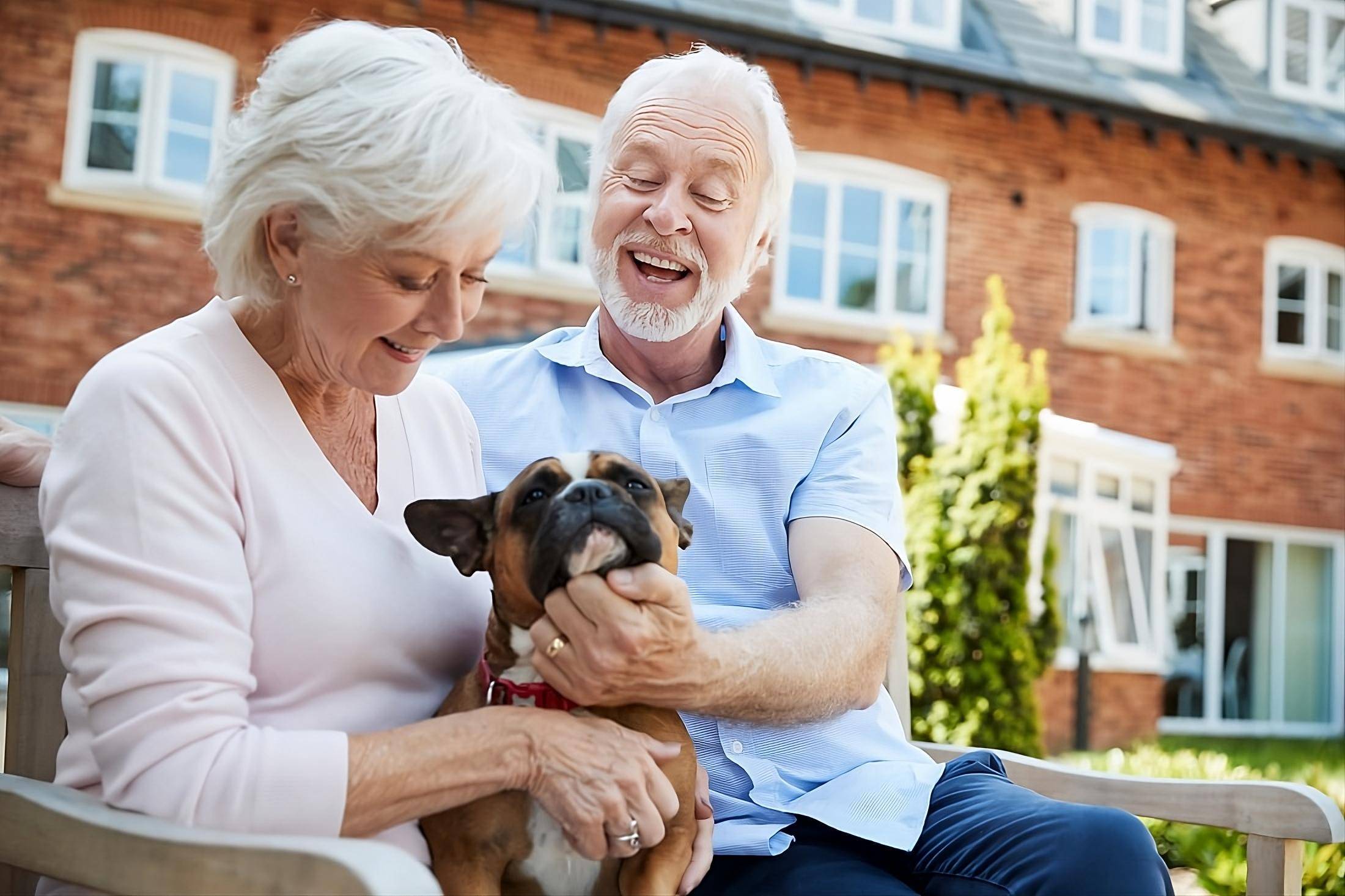
For many years, older people’s care was determined by a list of things that had to be done: safety, taking care of the medications, and help with basic daily activities. A huge change is coming, however. A different way of thinking has emerged—holistic senior living—which is changing the elderly care from a system that merely controls deterioration to a philosophy of vibrant whole-person wellness. This method of caring for the elderly takes into account that well-being in the later years of life is a mix of good health, mental activity, love, and social interaction. It is not only a matter of getting more years to life but also giving more life to years.
We will now explain how holistic senior living uses mindfulness, food, exercise, and socializing to make places where elderly people do not only live but also enjoy their lives.
A Pillar of Elderly all-encompassing Living with a Heart:
Holistic Elderly Living concentrates on eliminating the impairment of functionality at a cortical level; it places a greater value in utilizing all 6 Pillars (integrated layers of support) to achieve healthy, active lifestyles amongst elderly.
The integrated Pillars comprise the:
1. Mindfulness & Emotional Health Pillar: Inner Peace.
For an elderly individual, mental health is the cornerstone of a community’s value; a holistic community actively nurtures the improved emotional well-being of all members who reside in the community.
Practically, methods for supporting the overall improved emotional well-being of an elderly individual would include the practice of :
Meditating/Gentle Chair Meditative Practices:
The practice of Meditation has been proven to assist with eliminating the negative impact of Stress, Anxiety, and/or Depression as well as improving aspects of Sleep and Emotional Regulation.
Cognitive Stimulation Therapy:
This Pillar of Holistic Living represents more than engaging in games alone; an integrated Cognitive Stimulation Therapy utilizes many tools: Video, Music, and Thematic Discourse to stimulate Memory, Enhance Problem Solving Skills, and create JOY!
Purpose & Legacy Projects:
These are additional tools that will assist in helping elderly community members combat loneliness and reinforce the idea that an honorary contribution is still being made on their behalf.
Elderly residents must be supported with access to Mental health professionals who will provide additional assistance to elderly residents.
2. Intentional Nutrition – Using Food as Medicine:
Creating a dining experience that goes from institutional feeding and serving materials to that of a nourished culinary experience.
Anti-inflammatory/ Brain-Healthy Diets: The menus will be inspired by the combination of Mediterranean and MIND diets that are made up of leafy green vegetables, berries, nuts, fish, and whole grains, to not only help cognitive and physical vitality but also to increase them.
Dietitian-led design: Meal plans will be created taking advantage of the knowledge of registered dietitians/nutritionists specializing in chronic disease management (e.g., diabetes and/or heart disease), while at the same time ensuring the best taste and nutrition.
Social/Mindful Dining: Meals will be experienced as celebrations, with beautifully set tables, restaurant-style server service, no time constraints, ample opportunity for social interaction, and, as such, an enhanced opportunity to feed our bodies, as well as the joys of communal feeding.
3. Core Strength, Stability, Balance, and Quality of Life:
Movement should be focused less on creating champions or competitive athletes, and much more on developing autonomy, quality of life, and joy for everyone.
Adaptive Yoga and Tai-Chi – Both types of exercise help you improve/better your balance (prevents falls), increases your flexibility, and builds your body-mind connection.
Strength & Stability – Resistance to muscle loss is achieved through light weight or resistance band exercises for your arms and legs. This directly supports the ability to live independently as you get older.
Dance Therapy & Music Therapy – this is movement without thought to the outcome. Dancing to music creates an uplifting energy that stimulates the mind, body and soul, and provides aerobic benefits.
4. Social Ecological Context & Depth of Relationship:
Holistic care is a strong contender for solving the issue surrounding loneliness.
Organized Activities Based On Mutual Interests: Organized activities such as book clubs, gardening clubs, wood working shops or painting studios are just some examples of how people with similar interests can come together.
Intergenerational Programming: Establishing collaborative relationships with local day care centres and schools to inject youthful energy into the local community; thereby providing seniors with new and exciting opportunities for growth and engagement within their own communities.
Pet and Animal Therapy: The benefits of therapy animals visiting regularly are to provide warmth and comfort, reduce high blood pressure, and increase the level of social interaction and engagement of the individuals that the therapy animals are visiting.
5. Integrating Health and Natural Environments:
A holistic approach to wellness considers both complementary therapy and the actual design of the resident’s environment.
On-Site Therapy: Access to acupuncture, massage therapy, and chiropractic services will provide pain management, increase range of motion, and decrease reliance on medications (e.g., opioids) for pain relief.
Biophilic Integration: The presence of numerous indoor plants, pathways through flower gardens, aviaries, and the easy opportunity to access an outside area have shown to decrease anxiety, increase happiness, and facilitate a connection between the resident and the cycles of nature.
Sensory Room: An extremely calm environment with soft lights, ambient sounds, and varied tactile objects to provide a restful retreat for individuals experiencing excessive stress. Sensory rooms are particularly beneficial to individuals diagnosed with dementia.
Conclusion: The New Horizon of Aging
Holistic senior living is not just a trend; it is a necessary and compassionate evolution in how we perceive aging. It accepts that the later chapters of life can be periods of personal development, social interaction, and excellent health. The combination of mindfulness, proper and nutritious food, physical activity with purpose, and close community leads us to build places where the elder ones are not just obliged to be taken care of but are loved, supported, and taken care of in every aspect of their being.