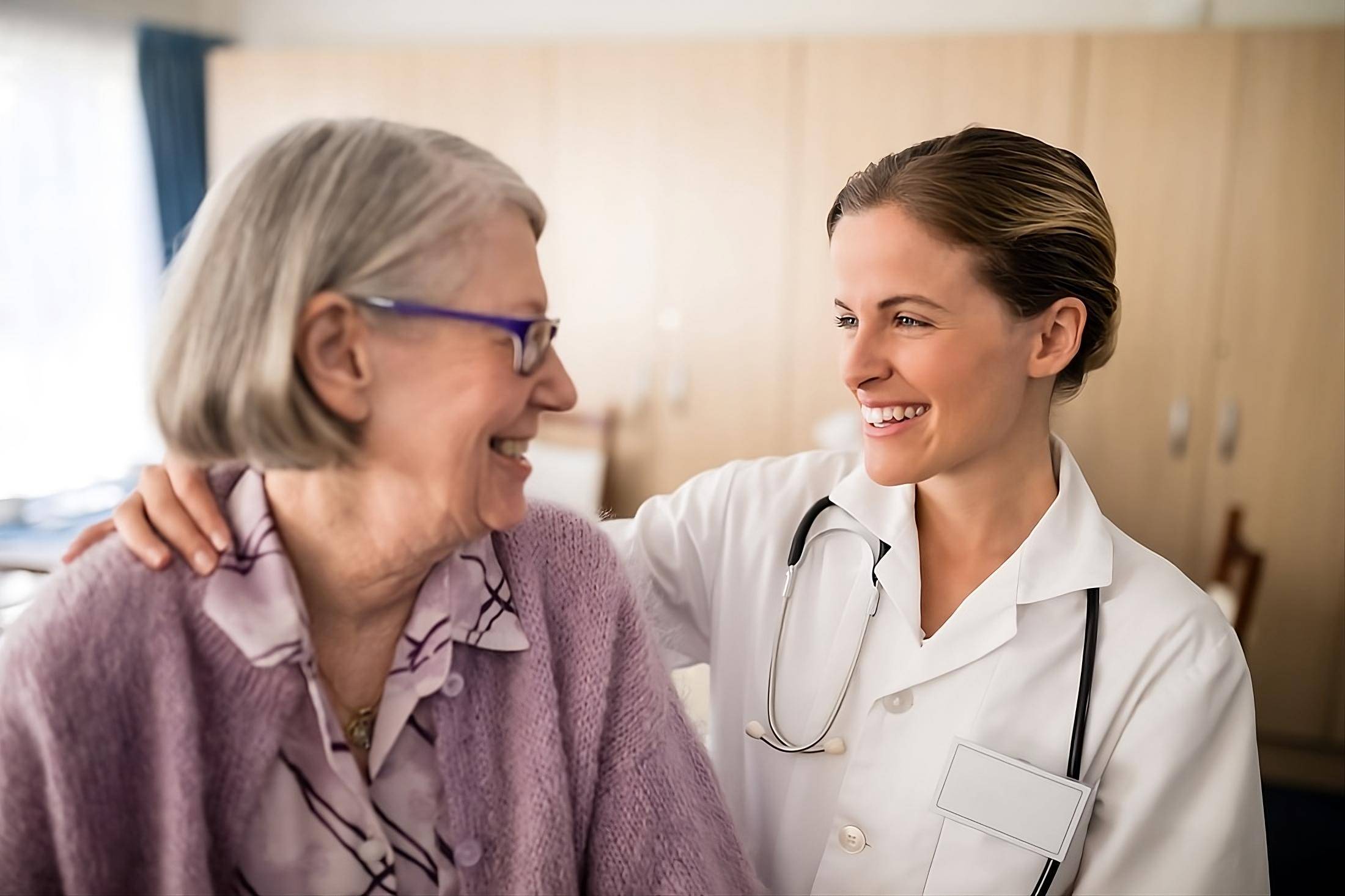

What are the emotional benefits of assisted living?
The emotional benefits of assisted living are the gains in mood, confidence, security, and connection that seniors experience when they live in a supportive community. They include less loneliness, a renewed sense of purpose, dignity in daily support, and peace of mind for both residents and families.
As we grow older, emotional health is as essential as healthcare. Assisted living facilities help bridge this gap by delivering personalized care, community, and connections. By fostering independence and providing help where it is truly needed, these communities give seniors the chance to lead active lives without the burden of doing it alone. For some, transitioning into assisted living is less about healthcare and more about improving emotional health and rediscovering joy through engaging relationships. These are the emotional benefits of assisted living that families often discover only after the move.
Beyond the level of care, assisted living promotes emotional health by providing a daily routine that is both established and flexible. Assisted living and emotional health go hand in hand: residents are encouraged to remain mentally and physically active and emotionally engaged. From exercise to social activities to holiday celebrations, the variety of choices ensures everyone can find something that brings happiness, builds confidence, and reduces loneliness.
1. Creating a Sense of Belonging Through Community Living
Let’s talk about something we don’t discuss enough: how crushing loneliness can be for seniors living alone. That empty house, once full of life, can become a quiet prison of isolation. But here’s the beautiful thing about quality assisted living: it doesn’t just provide care; it creates community. This is how assisted living helps seniors with loneliness.
Picture this: instead of eating another silent meal alone, your mom is debating the latest book club selection with new friends. Instead of staring at the TV for hours, your dad is sharing stories over coffee with fellow veterans. These aren’t just activities. They’re lifelines.
The magic happens in those unplanned moments: spontaneous card games, shared laughter over dessert, and the comfort of knowing someone will notice if you don’t come down for breakfast. This is what changes lives. When residents feel valued as individuals, not just patients, something remarkable happens. They thrive.
The research backs this up, but you don’t need studies to see it. Just watch the way eyes light up during choir practice, or how residents cheer each other on during exercise class. That’s the power of true belonging, and it’s why community living often becomes the unexpected gift families didn’t know their loved one needed. These social benefits of assisted living are some of the most visible.
What Makes This Work? Thoughtful Design
- Common areas that actually invite conversation (not just pretty lobbies no one uses)
- Activities that tap into lifelong passions (not just bingo because it’s “what old people do”)
- Staff who remember everyone’s stories (not just their medication schedules)
It is not about filling the time. It’s about making meaningful connections that make waking up every day worthwhile. Because at the end of life, what we accumulated doesn’t matter most. The relationships we have nurtured do. This kind of social interaction for seniors in assisted living is what lifts spirits day after day.
At places like Seashore Assisted Living, community isn’t an idea. It’s the community’s beating heart. Residents are constantly inspired to connect, socialize, and thrive emotionally, with shared spaces, well-coordinated group activities, and support from like-minded people.
2. Dignity in Daily Support: When Help Means Freedom, Not Limitations
We rarely talk about how humbling it is when simple tasks, such as buttoning a shirt, remembering medications, or even washing your hair, become daily struggles. That frustration chips away at confidence, sometimes making seniors withdraw from life itself. But what if support didn’t mean losing independence, but actually reclaiming it?
At places like Seashore, caregivers understand this delicate balance. They don’t just assist with personal care. They restore dignity through small acts, like styling a resident’s hair just how she likes it or keeping his favorite sweater within reach. This isn’t about taking over; it’s about providing just enough support to let personalities shine through. Families often report seeing their loved ones “come back to themselves” when the constant anxiety of managing alone finally lifts. This is one of the deepest emotional benefits of assisted living.
3. Keeping Minds Vibrant: Where Every Day Sparks Joy
True emotional wellness isn’t just about feeling content. It’s about feeling alive. The best communities know that a stimulated mind is the antidote to stagnation. Emotional well-being in assisted living is supported by activities such as these at Seashore:
- A retired teacher leading a lively literature discussion
- Former engineers solving tactile puzzle challenges
- A cooking class where recipes trigger precious memories
These aren’t time-fillers. They’re carefully designed to tap into what made each resident tick throughout their lives. When someone who hasn’t painted in decades creates a watercolor, or when a war veteran shares stories during history hour, that’s not just activity. That’s personal renaissance.
4. Healthcare That Feels Like Care, Not Clinical
Knowing help is seconds away, not hours, brings profound emotional relief. Seashore’s approach to health services removes the institutional feel, with nurses who know which jokes make residents relax during blood pressure checks and therapists who incorporate gardening into rehabilitation.
This seamless integration means residents don’t live in fear of “what if.” Medication becomes part of the daily rhythm, not a stressful chore. Wellness checks happen over afternoon tea in the sunroom. It’s healthcare that preserves normalcy, and with it, assisted living emotional well-being and emotional equilibrium.
5. Transforming Family Dynamics From Worry to Connection
The unspoken truth? Many families spend visits anxiously monitoring medications or safety hazards instead of simply enjoying time together. Assisted living shifts this dynamic profoundly. At Seashore:
- Daughters become daughters again, not caregivers
- Grandchildren visit for cookie-baking, not chore-doing
- Video calls share accomplishments, not just health updates
Regular family nights, transparent communication, and shared calendars mean relatives become active participants in their loved one’s vibrant life, not stressed-out managers of decline. These are the benefits of assisted living for seniors that extend to the whole family.
Final Thoughts
This isn’t about finding “a place” for aging parents. It’s about discovering environments where:
- Isolation transforms into fellowship
- Anxiety gives way to security
- Past passions find new expression
Seashore assisted living puts this philosophy into action, where every detail whispers, “you matter.” The emotional benefits of assisted living are what make the difference. Because the golden years shouldn’t fade to gray. They should glow warmer than ever.