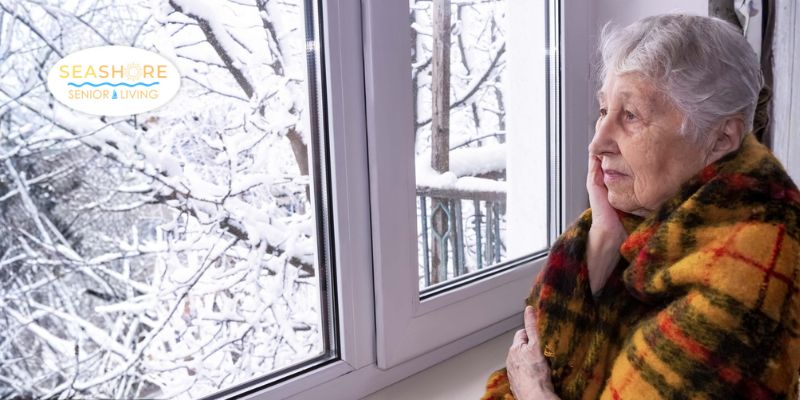
Winter, with its shortened days and lower temperatures, presents a variety of issues for people, but it is even more serious for those who suffer from Alzheimer’s and other dementia disorders, since the winter season means more risks for them. The cold and darkness can cause disorientation, poor judgment, and wandering habits, which can be particularly dangerous.
The memory care institutions that provide specialized services are exactly intended for these kinds of hazards. They employ a multi-layered, preventive approach to security that is far beyond just having a heating system. This is how they keep the place safe, while still being comforting and stimulating even in the middle of winter when the conditions are very harsh.
1. Physical Structures: The Facilities Were Built to Be Safe from Wandering:
Architecturally designed for safety against wandering outside during ice and heavy snowfall months, memory care communities prevent unsafe exits.
Monitored and Controlled Access to Facilities: All of the exterior doors to each facility are secured by either a keypad, a card reader or delayed egress system, so that if someone opens an exterior door, the staff immediately know about it.
Enclosed Outdoor Spaces (Courtyards): Memory care residents can enjoy the benefits of outdoor breathing fresh air and exposure to sunlight without the danger of wandering out into the street or other unsafe areas. Courtyard access also provides for more controlled access because ice and snow on the sidewalks can be removed ahead of time and enclosed courtyards provide protection against that.
Utilising Enhancements to Support Navigation and Improve Ambient Light: Poor lighting can be detrimental to navigation, especially for residents who experience sundowning, which can cause increased confusion during the late afternoon and early evening. Memory care communities provide for reduced shadows and consistent lighting with clearly defined visual indications of where to navigate to relieve anxiety associated with navigating the hallway alone during the night.
2. Ongoing, Kind Supervision:
While technology is a huge benefit to health and safety, it can never take the place of human care.
Staff Observance: More staff means more opportunities for safety and staff observation. Should caregivers observe behaviours such as pacing or anxiety, they are trained to respond.
Client Conversations: Frequent discussions are held throughout the evening to ensure residents are comfortable in their rooms.
Engaged Observation: Staff observe residents. They provide redirection from problem behaviours to health-promotion activities for the comfort of the resident and the safety of the other residents.
3. Allows the use of technology as supplemental protection
Technology that works quietly will not get in the way of people’s daily activities and will provide an additional level of security.
Equipment that prevents wandering: If a resident comes near the secured entrance, the system will notify staff via either a pendant worn by the resident or a sensor that is placed on the floor.
Thermostats are located in each Resident’s Room. It is common to find that the individual thermostat installed in each resident room has been secured to prevent the resident from accidentally adjusting the settings. Batting ambient building temperatures will help reduce the risk of hypothermia in seniors, especially for seniors who may not accurately perceive the coldness.
Call Systems & Sensors: The use of call buttons in residents’ rooms and bathrooms, along with a motion sensor in areas identified as having the greatest risk to a senior, ensures residents can always access a staff member at the time of need.
4. Tailoring Programs to Address Winter Challenges.
Winter presents many dangers, such as boredom and feeling isolated; a memory care community can help to reduce the chance of experiencing “cabin fever” by creating programs and activities designed to counteract these dangers.
Using the “sundowning” method, programmed events are planned to create a stabilizing effect and disperse stress during the evening hours. Soothing music therapy, simple stretching or sensory exercises are used to relieve anxiety in residents experiencing agitation.
Indoor physical activity is also encouraged through the use of designated safe walking paths, seated exercise classes, and dancing to promote physical activity and reduce the possibility of restlessness that could lead to wandering.
Cognitive stimulation and sensory stimulation are essential for residents’ quality of life, so reminiscence therapy sessions focused on winter-related traditions, holiday crafts, baking, and musical sessions promote positive social interactions, thereby helping to ease anxiety and improve mood.
Residents’ circadian rhythm sleep-wake cycles and associated Vitamin D levels are regulated through the use of active living spaces located adjacent to windows during daylight hours.
5. Health Maintenance and Personal Care.
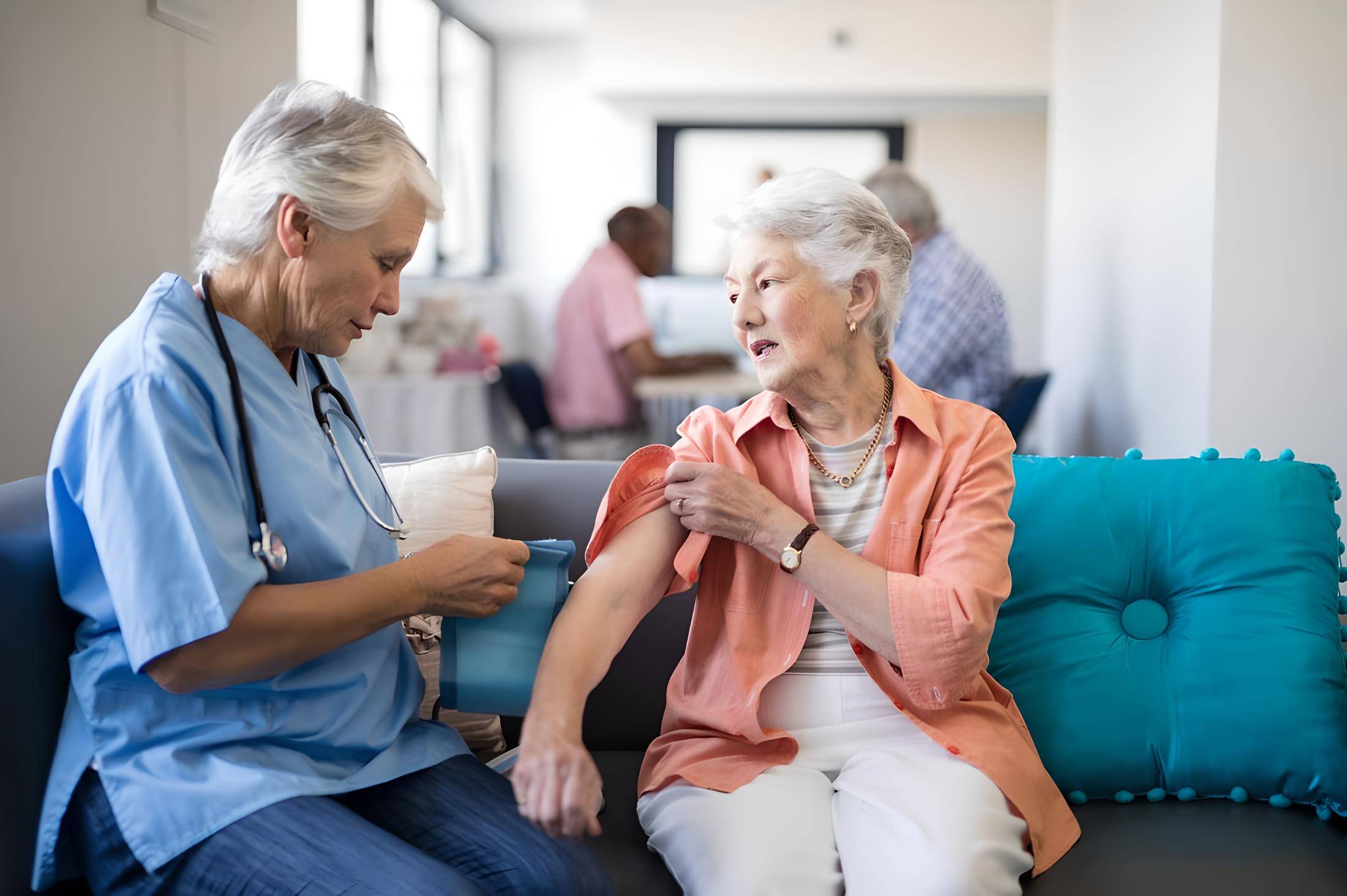
The body’s ability to control temperature decreases due to age and dementia.
Appropriate Attire: Staff assist the residents with their attire through the application of warm, layered clothes. Staff watch for cues that indicate whether a resident may be overheated or under heated because resident self-reports are often inaccurate.
Hydration and Nutrition: They ensure regular intake of liquids and offer the inhabitants warm dishes and drinks that are rich in nutrients, thus providing nutritional support.
Medication Management: Staff ensure the administration of medication that could affect the circulation and/or sensitivity to temperature. They also monitor for the side effects of cold on medications.
6. Family Partnership & Communication
Families are kept informed and are partners in safety.
Weather Policies: Clear communication about community lockdowns during severe storms, ensuring families know their loved one is secure.
Virtual Connection Tools: When icy roads make visitation hazardous, communities facilitate video calls to maintain vital social connections and reassure both residents and families.
Open Dialogue: Staff can provide families with tips for safe visits or phone conversations during the evening hours to help promote calm.
Conclusion: A Season of Comfort, Not Fear:
Anxiety can grow into a colossal and profound source during winter nights if a family is looking after a person with dementia. Yet, the technique of the memory care community which is specialized and holistic, turns this around. These communities are built like a shelter where not only in the physical warmth but also in the psychological and emotional aspects such as safety, connection and peace of mind through a mix of secure architecture, watching staff, smart technology and caring interaction.
The aim is not only to remove the threat but to make a condition where the urge to wander is transformed into a happy feeling, where the long nights are full of important connection, and where winter is spent in total safety