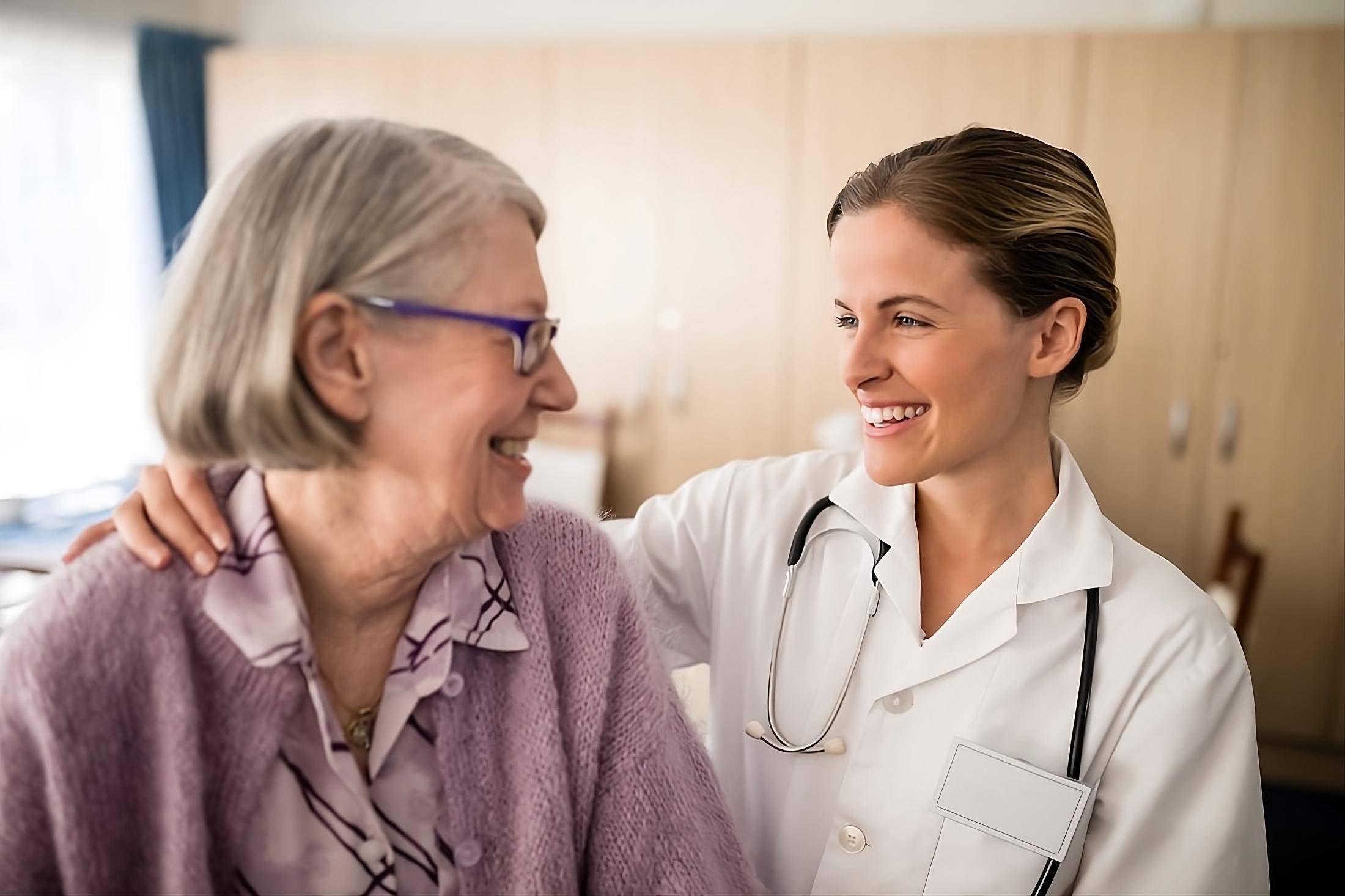

When we think of assisted living, we often think of medication schedules, safety and monitoring systems, and even medical professionals. But there is another equally strong contributor to a senior’s quality of life-nutrition, and dining.
In the modern era of assisted living, dining goes beyond serving a meal. It is about nourishing one’s body, elevating one’s mood and building connections to the community. Meals can now represent joyful moments, community activity and wellness, with the essential characteristics of nutrition and the feeling of community connected.
Here is an overview of how intentional nutrition and dining programs are innovating assisted living, where each bite of food can matter: not just for well-being, but also happiness.
1. Customized Nutrition: There Is No One Plate Fits All:
Personalized meal prep is among the main trends in elder care nowadays and may soon be a major component of the services provided in the institutions.
The personalization of meal preparation is as follows:
Every resident receives a dietary assessment.
- Menus are created with their dietary specialists and other health care professionals.
- Meals can be prepared to accommodate sugar and salt restrictions, and dietary allergies are also being considered; low-sodium diets are simply accommodated.
- Dietary choices that reflect the individual’s cultural, dietary, and geography preferences is accommodated, such that the dining does not feel like a loss of home, but more like an individualized experience.
For example, a resident with cardiovascular disease may be served grilled salmon with steamed vegetables prepared without frying, while another resident, weakened by illness, may receive a pureed or liquid diet (high-protein soups or smoothies made with organic fruits and vegetables). The goal is not to subjectively restrict everything, but to optimize everything.
2. Social Events and Dining:
The meal taken together is a major event of the day for many old people – an additional opportunity to socialize, chat, and feel connected.
Today’s elderly living communities are designing considerate dining areas that will be a reason for residents to get together and be more active.
Some examples include:
- Even the meal format promotes a social opportunity. Instead of the more standard plated meal format, there can be restaurant-style meals with menus to choose from, when and what the resident would like to eat.
- Family involvement and family dining experiences can involve the family of the resident and engage the resident and build relationships.
- Residents can experience social engagement and some form of connection with themed dinners.
- Chef demonstrations during meal service, or cooking classes, can provide opportunities for learning and sharing food and meals.
- Another form of a shared dining experience can happen through a private dining room experience.
The importance of this matter lies in the fact that dining as a social opportunity assists the residents in socializing, comforting, and curing their loneliness and depression, and making their appetites active thus, the overall quality of life will be improved. Researchers found a correlation between communal dining and healthier eating habits among seniors, as the former group was less likely to eat poorly than the latter one.
3. Health Improvements through Functional Nutrition:
Today, many nutrition programs at assisted living sites are based on evidence. The food and beverage options are not only offered to satiate hunger; they are intentionally provided to promote wellness and sustain recovery.
The dining teams provide options that help the elderly individuals to fulfil their nutrient requirements and also keep them active.
4. The Role of Technology in Enhancing the Dining Experience:
Technology is gradually but steadily entering the dining area and leaving its mark clearly.
Some applications are:
- The digital meal tracking systems that monitor calories, nutrients, and allergens.
- Ordering through tablets that give the residents the option to easily personalize their meals.
- Intelligent kitchen tools that ensure both quality and safety.
- Nutrition analysis through data that allows dietitians to adjust meal plans quickly.
5. Hydration and Snacking: An Overlooked Priority:
Dehydration is one of the silent building blocks to senior health. It can lead to tiredness, muddled thoughts, and other puzzling problems, but there are easy ways to help older people.
Communities offer:
Hydration tracking systems to expel the guess-work from staying on track with fluid intake.
A simple, small reminder to hydrate can significantly increase energy levels and cognition – taking a drink of water into the tool for health.
Conclusion: Where Nutrition Meets Care
In assisted living, food is so much more than sustenance — it’s connection, care, and community on a plate. A mindful dining experience nourishes not just the body; it nourishes the spirit, fosters social ties, and leads to better health outcomes.
At a time when society is focused on healthy eating, assisted living communities are redefining the terms associated with what it means to “eat well” in the senior citizenship stage of life through mindful nutrition, fresh ingredients, and meaningful dining experiences. In assisted living communities, meals become celebrations of wellness and community with simple good food shared with good company.