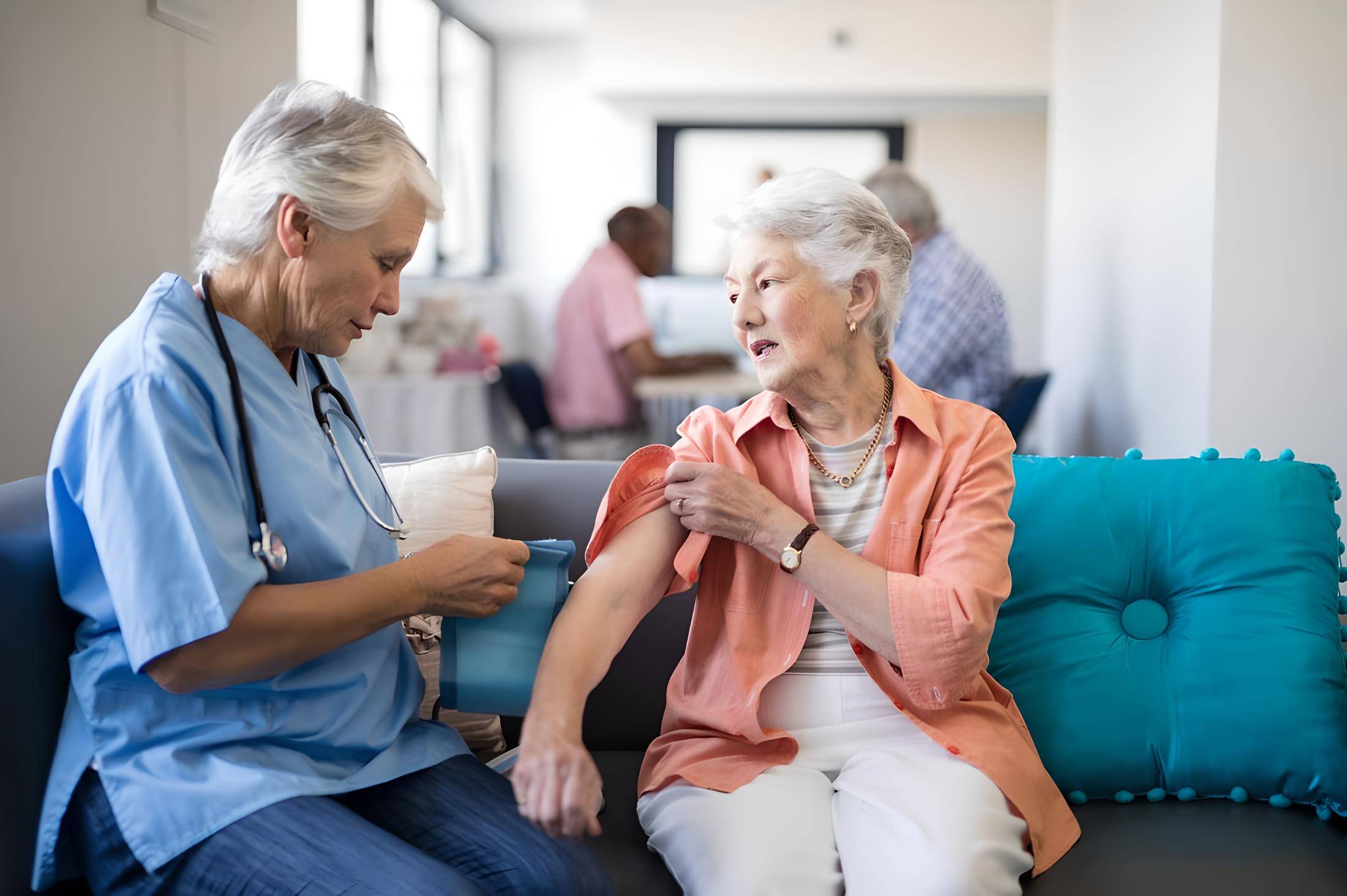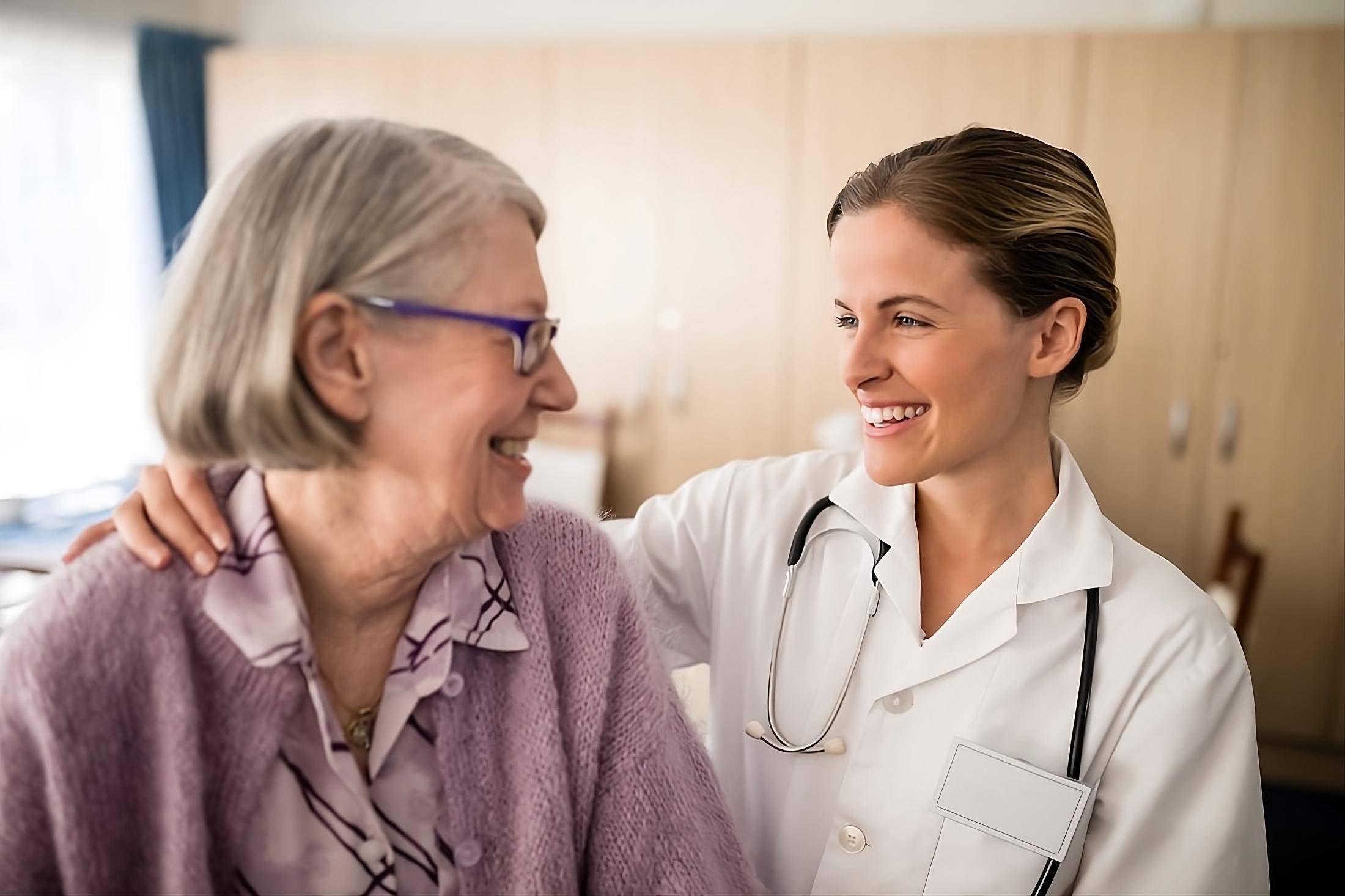

The story of assisted living is going through an essential shift. The institutional model with its set schedules and clinical setting is being changed. Modern senior living communities are changing their focus from completing tasks to fostering the feeling of home, choice, and wellness. True, this is a change in design, but also a significant shift in philosophy placing the resident experience front and center.
This new approach is built on a few significant service and design principles which together establish a place and a community where residents do not just live, but thrive.
Architectural Transformation:
From Healthcare Facilities to Residential Settings:
The physical plan for contemporary assisted living is the most obvious signal of this transition. The goal is to break down the feeling of a healthcare facility with the intimate feel of a residential neighborhood.
The Household Model:
Innovative communities are beginning to utilize smaller “households” or “cottages”. These are living arrangements that consist of a small group of residents (generally around 10-20) with their own “fully functioning” kitchen area, comfortable living spaces, and dining rooms arranged in a family-style. Being part of a household builds community and gives residents some control over their daily circumstances.
Purpose-Built Town Centers:
You will see lively and attractive town centers with bistros, libraries, salons, and wellness centers as part of the large campus setup. These are not merely facilities or amenities; rather, they are new social ecosystems that are designed to help facilitate spontaneous interactions, providing the residents with the means to live their former interests and to feel part of an active and vibrant larger community.
Operational Philosophy:
Autonomy as the Norm, Support as the Enabler
One of the principles of this new model is an intentional commitment to foster to resident-directed living. Commit to direct services, integrated and responsive to resident needs, and less likely to disrupt.
Individualized Daily Routines:
The era of established, shared meal times and unnatural schedules for activities that are unchanged is over. Each resident now has individualized meal choices, individualized programs scheduled when it works for each resident, and everything coordinated to align with their preferred rhythm of the day. The community shifts and pivots for each resident, rather than expecting the notional resident to do the shift and pivots.
Individualized Care Plans: Care has shifted away from a checklist of standardized tasks. Care is a collaborative relationship among the resident, their family, and the care team. Care plans are developed through a continual assessment of the resident’s goals, preferences and lifestyles to support independence, not infringe of it.
Interfaced Support: The Fusion of Technology and Compassionate Care
Modern assisted living is designed to fuse tactile services and a prudent approach to technology to construct a safe, pragmatic support system.
Ambient Assistive Technology: The deliberate application of technology has become a standard in contemporary care. The use of wearable gadgets, motion detectors, and smart alert systems provides a protection that is continuous and allows the staff to be proactive in anticipating needs while honoring the privacy and movement of the resident.
A Holistic Wellness Framework:
Care is no longer restricted to clinical health only. The complete wellness programs nowadays include six major dimensions: physical, intellectual, social, emotional, vocational, and spiritual. The whole person is being nurtured through a variety of programs such as custom lecture series and fitness classes, volunteer activities, and spiritual gatherings.
The Real Benefits: An Argument for Value for Residents and Families
This resident-centered approach has real, measurable outcomes that speak for and justify the process.
For the Resident: Benefits consist of a better quality of life, less isolation, and an opportunity to pursue interests and hobbies without home obligations. It is a trade of perceptions of loneliness for connection and engagement.
For Families: Adult children and caregivers feel an immediate level of relief. They’re no longer managing the logistics and emotional burdens of being the full-time or primary caregiver – relationships can return to their emotional foundations of son, daughter or spouse.
The Conclusion: New Standards of Senior Living
An up-to-date assisted living community is not just a safety net; it is a choice of lifestyle. The aging process is being redefined by the industry with great intelligence as they create the right living spaces, provide help, and do so with dignity. The industry is not only offering care; it is understanding people’s lives and giving them a respectable and classy choice of aging in place.